
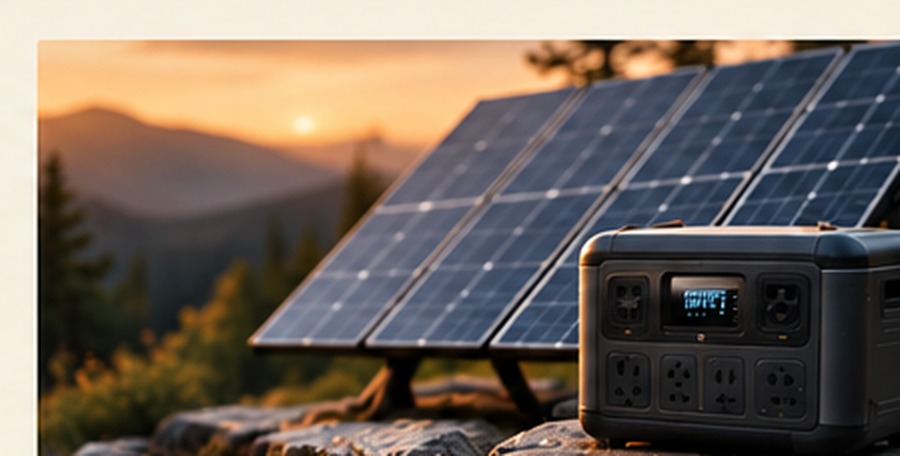
Backup power is easier to plan when you start with essential needs rather than the biggest battery or generator you can find. An outage does not necessarily mean you need to power your entire home.
Choose your critical loads
Begin with phones, lighting, medical equipment where applicable, and information sources. Write down each device's power requirement in watts, and how many hours per day you expect to use it. Energy use in watt-hours is roughly watts multiplied by hours.
Understand the difference
Portable battery stations can provide quiet, indoor-capable power within their rated limits. Gasoline or propane generators may provide more sustained output, but introduce fuel, maintenance, noise, and serious exhaust risks. Never operate a fuel-burning generator indoors or in a garage.
Build a realistic margin
Allow for conversion losses, battery operating limits, starting surges, and longer-than-expected outages. Charging capability matters as much as storage capacity. Solar can help, but performance depends on weather and available sunlight.
Safety is nonnegotiable
FEMA advises keeping generators outdoors at least 20 feet from doors, windows, and other openings to reduce carbon monoxide risk. Follow manufacturer guidance for charging, storage, ventilation, and electrical connections. Permanent home backup installations should be planned with qualified electricians.
Further reading: Ready.gov power outage guidance.
Editorial note: We have not independently tested every equipment type discussed. Verify current guidance with appropriate authorities and product manufacturers.
← Back to stories